Does Rain Wash Away Dog Waste? What Really Happens in Your Yard
After a heavy rainstorm, you might look outside and notice that the dog poop scattered across your yard seems to have disappeared. The grass looks greener, the lawn has been rinsed, and those unpleasant piles are suddenly harder to spot.
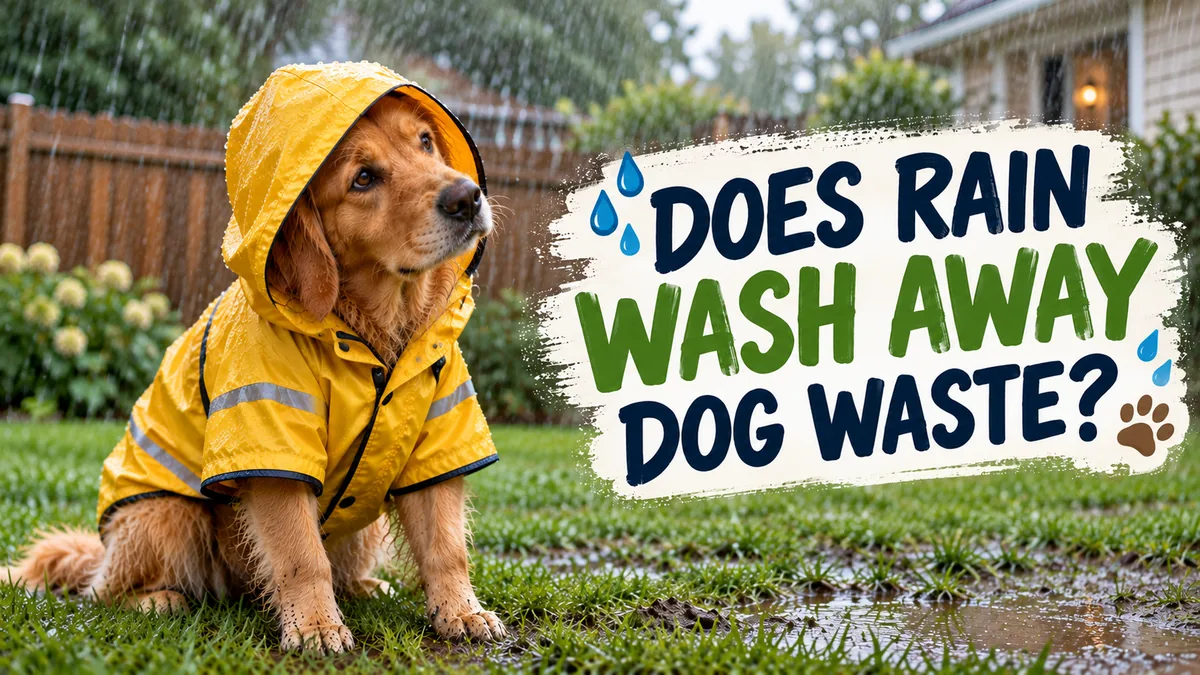
But does rain wash away dog waste, or does it simply move the mess somewhere else?
The short answer is no. Rain does not safely eliminate dog waste. Instead, it can break waste into smaller particles and carry bacteria, parasites, and nutrients into your lawn, soil, and nearby waterways.
For homeowners in Fishers, Noblesville, Carmel, Indianapolis, and surrounding Central Indiana communities, understanding what happens to dog waste during rainfall is important for maintaining a cleaner yard.
Let’s explore what rain actually does to dog poop, why it matters, and how to prevent the problem from getting worse.
Does Rain Wash Away Dog Waste? The Quick Answer
If you’ve ever wondered whether rain washes away poop, the answer depends on what you mean by wash away.
Rain can physically move dog waste from one location to another. Heavy rainfall may soften solid waste, break it apart, and carry some of the material away through runoff.
However, that doesn’t mean the waste has been safely eliminated.
Think about washing dirt off your driveway with a garden hose. The dirt disappears from the driveway, but it doesn’t cease to exist. It simply travels somewhere else.
Dog waste behaves similarly.
The U.S. Environmental Protection Agency (EPA) explains that stormwater can carry pet waste and its associated pollutants into streams, rivers, and lakes.
In other words, disappearing dog poop doesn’t necessarily mean a cleaner yard.
What Happens to Dog Poop When It Rains?
Rain affects dog waste in several ways, and some of those effects aren’t immediately visible.
1. Dog Waste Softens and Breaks Apart
When dog waste becomes saturated with rainwater, it can soften and lose its shape.
Depending on the intensity of the rainfall, solid piles may break into smaller pieces that settle between blades of grass or become mixed with mud.
This can make the waste more difficult to see and collect.
A homeowner might assume the rain has cleaned the yard when, in reality, portions of the waste remain scattered across the lawn.
2. Bacteria and Parasites May Remain
Dog waste can contain harmful microorganisms, including certain bacteria and intestinal parasites.
According to the Centers for Disease Control and Prevention (CDC), dog feces can contain germs and parasites that may be harmful to people.
Some roundworm eggs, for example, can survive in soil for extended periods under favorable environmental conditions.
Rainfall does not reliably disinfect dog waste or eliminate these organisms.
Instead, water may transport some contaminants into surrounding soil and other areas of your property.
Not every dog carries harmful parasites, but regularly removing waste helps reduce opportunities for exposure.
3. Rainwater Can Carry Waste Into Storm Drains
One of the biggest concerns involving dog waste and rainfall is stormwater pollution.
When rain falls faster than the ground can absorb it, excess water flows across lawns, sidewalks, driveways, and streets.
Along the way, it can pick up pollutants, including waste-related bacteria and nutrients.
In many communities, storm drains carry runoff directly into nearby waterways without treatment.
That means dog waste left in a residential yard can eventually contribute to pollution in local streams and rivers.
The EPA identifies pet waste as a source of bacteria and nutrient pollution in urban waterways.
This is why picking up dog waste matters beyond the appearance of your lawn.
How Long Does Dog Poop Take to Decompose?
Dog waste naturally decomposes over time, but the process isn’t nearly as fast as many homeowners assume.
There is no universal decomposition timeline because several factors influence how quickly waste breaks down.
These include:
- Temperature and seasonal weather
- Moisture levels and rainfall
- Sunlight exposure
- Soil conditions and microbial activity
- The amount and composition of the waste
Warm, moist conditions may encourage certain decomposition processes. However, that doesn’t mean harmful microorganisms disappear at the same rate.
Some parasites can persist in the environment long after the original waste becomes difficult to recognize.
During cold Indiana winters, decomposition may slow considerably.
This is one reason dog waste can accumulate beneath snow and become visible again when temperatures rise.
Waiting for nature to break down dog poop is not a reliable substitute for regular cleanup.
Can Rain-Soaked Dog Waste Harm Your Lawn?
Dog waste isn’t the same as fertilizer, and allowing it to accumulate can create problems for your outdoor space.
Although dog waste contains nutrients such as nitrogen and phosphorus, it isn’t recommended as a lawn fertilizer.
Excess Nutrients and Grass Health
When waste repeatedly accumulates in concentrated areas, it can contribute excess nutrients to the surrounding environment.
The impact on grass varies depending on the amount of waste, soil conditions, and other factors.
Rainwater can also move those nutrients beyond the original location.
If they reach nearby waterways, they may contribute to excessive algae growth and other water-quality problems.
Contamination of Outdoor Spaces
Rain-soaked dog waste may spread into areas where children play, pets walk, or family members spend time outdoors.
For households that regularly use their backyards, this is an important consideration.
Even if you can’t see the original pile anymore, some waste-related material may remain.
Unpleasant Odors
Wet conditions can also make existing dog waste odors more noticeable, particularly during warm, humid weather.
As organic material decomposes, microorganisms produce compounds responsible for unpleasant smells.
Removing waste before it accumulates helps reduce these odor sources.
Should You Pick Up Dog Poop Before or After Rain?
Whenever possible, pick up dog waste before it rains.
Removing waste while it is still relatively solid makes collection easier and reduces the amount of material exposed to rainfall.
However, if a storm arrives before you can clean your yard, it’s still worth collecting the remaining waste afterward.
Before Rain
Walk your yard and remove visible piles, paying particular attention to areas where your dogs frequently relieve themselves.
Check locations near drainage paths, slopes, sidewalks, and low-lying areas where runoff may collect.
Prompt cleanup is especially helpful when heavy rainfall is expected.
After Rain
Once conditions are safe, inspect your yard for waste that remains.
Look carefully around grass, leaves, landscaping, and muddy areas where waste may be harder to recognize.
Use a sturdy scooper or waste bags to collect what you can without spreading it further.
Avoid spraying dog waste with a garden hose to make it disappear. That simply moves the material rather than disposing of it properly.
The CDC recommends collecting dog poop with bags and disposing of it in appropriate waste receptacles.
For most homeowners, bagging and placing waste in the trash according to local requirements is a practical disposal method.
Why Rainy Weather Makes Dog Waste Cleanup Harder in Indiana
Central Indiana homeowners experience changing weather conditions throughout the year, and each season presents different challenges.
Spring: Frequent rain, muddy lawns, and thawing ground can make accumulated waste difficult to locate and collect.
Summer: Thunderstorms can produce significant runoff, while warm, humid conditions can make odors more noticeable.
Fall: Wet leaves may conceal dog waste, making it easier to overlook piles during routine yard maintenance.
Winter: Snow and frozen ground can temporarily hide waste. When temperatures rise, melting snow may reveal weeks of accumulation.
For homeowners throughout Fishers, Carmel, Noblesville, Westfield, and Indianapolis, maintaining a consistent cleaning schedule helps prevent waste from building up between storms.
How Often Should You Remove Dog Waste From Your Yard?
Ideally, dog waste should be removed promptly rather than left outside for extended periods.
However, busy schedules can make daily cleanup difficult.
That’s where professional dog waste removal services can help.
Weekly Dog Waste Removal
Weekly cleaning is a popular option for homeowners who want regular yard maintenance.
A professional technician visits once every seven days to collect accumulated waste.
This helps reduce the amount of waste sitting in your yard between rainstorms.
Weekly service is especially beneficial for households with multiple dogs, smaller yards, or children who frequently play outside.
Biweekly Dog Waste Removal
Biweekly service involves cleaning once every two weeks.
It may work for households with minimal backyard waste accumulation, but it also allows more time for waste to be exposed to rain and changing weather.
Twice-Weekly Dog Waste Removal
For households with several dogs or heavily used outdoor spaces, twice-weekly service can provide more frequent cleanup.
Regardless of the schedule, prompt removal between professional visits is beneficial whenever practical.
Not sure which frequency is best? Read our guide, Weekly vs. Biweekly Dog Waste Removal: Which Is Right for Your Yard?, to compare your options.
Frequently Asked Questions About Rain and Dog Waste
Does rain wash away poop completely?
No. Rain may break dog waste apart and carry some of it away, but it doesn’t safely eliminate the bacteria, nutrients, and other contaminants that may be present.
Does dog poop dissolve in water?
Dog poop can soften and partially disperse in water. However, the waste doesn’t simply dissolve into harmless material. Organic matter and potential contaminants may remain in the environment.
Is dog poop still harmful after it dries?
Potentially, yes. Drying doesn’t guarantee that all harmful microorganisms or parasites have been eliminated. Some organisms can survive in the environment under suitable conditions.
Will heavy rain clean dog poop off my lawn?
Heavy rainfall may move or scatter waste, but it shouldn’t be considered a cleaning method. Removing dog waste and disposing of it properly is a more dependable solution.
Can dog poop contaminate rainwater?
Yes. Rainwater that comes into contact with dog waste can pick up bacteria, nutrients, and other contaminants. This is one reason pet waste is considered a source of stormwater pollution.
Is it okay to leave dog poop in the yard during winter?
It’s better to remove waste whenever conditions allow. Snow may hide dog poop temporarily, but melting snow can expose accumulated waste and contribute to runoff.
Keep Your Yard Cleaner With Speedy Scoop
Rain might make dog poop harder to see, but it doesn’t make the problem disappear.
At Speedy Scoop, we help Central Indiana homeowners maintain cleaner yards without the hassle of constantly picking up after their dogs.
Our professional dog waste removal services include convenient recurring cleanings, thorough waste collection, and complimentary waste hauling.
We proudly serve Fishers, Noblesville, Carmel, Westfield, Indianapolis, Geist, McCordsville, and surrounding communities.
Whether you have one dog or several, we’ll help you choose a cleaning schedule that works for your household.
Don’t Let Rain Turn Dog Waste Into a Bigger Mess
Instead of wondering whether the next storm will wash away poop, take control of your yard’s cleanliness with dependable professional service.
Request your free Speedy Scoop quote today and spend less time cleaning up and more time enjoying your backyard!
Ready to Enjoy a Cleaner Yard?
When doodycalls, your pets do their business and Speedy Scoop handles the rest—reliably, efficiently, and with a smile. If your yard needs cleaned, scoop the poop, or make a poop 911 call to the pros and get a pet butler or turd burglar for your lawn. Let’s keep Central Indiana clean, one yard at a time.
Ready to upgrade your yard experience? Let Speedy Scoop take care of the dirty work—so you don’t have to. Get your FREE quote today!
Speedy Scoop proudly serves the greater Indianapolis area including Anderson, Carmel, Castleton, Cicero, Fishers, Fortville, Geist, Greenfield, Indianapolis, Ingalls, Lapel, Lawrence, McCordsville, New Palestine, Noblesville, Pendleton, Westfield, and Zionsville.